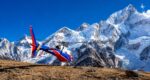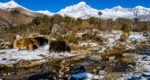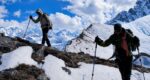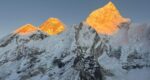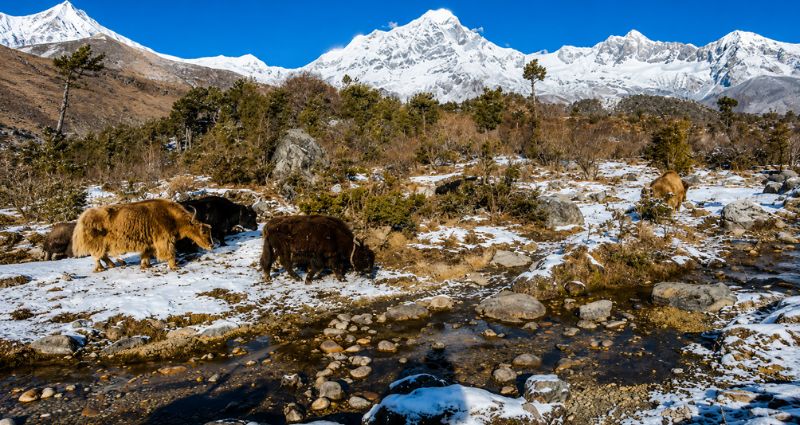
A Nepal adventure travel can range from a well-supported three-day hike to a multiweek expedition where weather, altitude, and supply logistics determine every decision.
Remote trails require more self-sufficiency while Himalayan expeditions demand technical competence, a strong team and thoughtful decision making at extreme altitude.
Select Your Nepal Adventure Travel Guide Based on Level of Difficulty and Assistance Required
If you have never been to high altitudes for trekking, then the tried and tested paths are your best bet to get the perfect combination of scenery, facilities, and security.
The Poon Hill Trek will be an excellent way to begin trekking in the Himalayas, as the days are shorter and at lesser elevations with the added attraction of watching the sunrise from Annapurna.
The Langtang Trek is a strong choice for travelers who want a longer valley trek without the scale of Everest Base Camp. It combines mountain scenery, Tamang cultural villages and a gradual build toward higher elevations.
The Gokyo Lakes Trek is more demanding, largely because it reaches significant altitude and requires careful acclimatization but it rewards prepared trekkers with glacier views, high passes and a less crowded alternative to the classic Everest Base Camp route.
Pikey Peak sits between these categories. It is usually less technical and less congested than Everest’s major trails yet its elevation and remote character still require well preparation. It can be an excellent route for travelers who want Everest region views without committing to a long Khumbu itinerary.
Preparing for a Safe Himalayan Trek
Teahouses reduce the amount of equipment you must carry, established trail networks make navigation more manageable, and frequent villages provide access to meals, shelter, and basic support. But that does not make the treks risk-free.
Acute mountain sickness can affect anyone, including fit hikers, and bad weather can disrupt flights, road travel, and daily plans.
Build flexibility into your itinerary especially when flying to mountain airports. A rushed schedule encourages poor acclimatization choices and creates pressure to continue when symptoms appear.
Add buffer days before international flights, plan rest days at appropriate elevations and ensure your insurance specifically covers trekking at your planned maximum altitude and emergency helicopter evacuation.
For most lodge-based treks, you need durable, broken-in boots, a warm sleeping system, layered clothing, rain protection, sun protection, and a personal medical kit.
A guide is not only a navigation decision. On higher or less familiar routes, a qualified guide can help assess conditions, arrange lodging, monitor altitude concerns, and adjust the plan when transport changes.
Also Read: Challenging Himalayan Treks in Nepal That Test Your Endurance and Strength
Remote Trails Require a Different Standard of Preparation
Remote areas such as Upper Dolpo, Kanchenjunga, Manaslu Circuit Trek, and far-western Nepal offer quieter trails and a stronger sense of expedition travel.
They also carry fewer margins for error. Lodges may be limited, resupply options can be sparse, and road or helicopter access may be delayed by weather.
These routes are best approached with a clear support plan. Depending on the area, that may include a licensed guide, permits, porters, camping equipment, a cook team, satellite communication and contingency supplies.
Restricted area permits often have specific requirements including minimum group sizes and registered guide arrangements.
Fitness matters more on remote trails because some days can be longer and the terrain less predictable. Train for hiking, not just general cardio. Spend several months building uphill endurance, leg strength, and the ability to walk for consecutive days with a loaded pack.
If you live near sea level, you cannot fully replicate altitude, but aerobic conditioning and sensible pacing improve your ability to manage the effort.
Himalayan Expeditions Are Not Simply Longer Treks
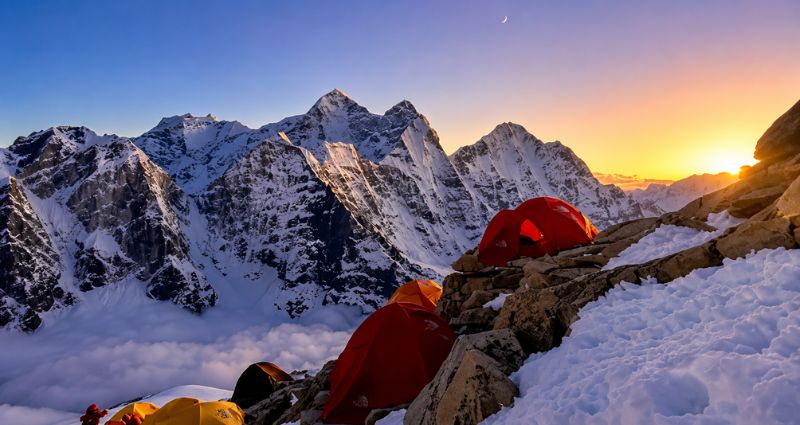
A Himalayan expedition involves a different risk category. Peaks above trekking elevations such as Baruntse, Ama Dablam, Manaslu, and Mount Everest, require technical climbing skills, fixed-rope systems, glacier travel knowledge, avalanche assessment, and experience using crampons, an ice axe, and mountaineering boots.
Even trekking peaks can have serious objective hazards depending on conditions.
Before committing to an expedition, assess your prior altitude exposure, technical background, rescue coverage, guide qualifications, and willingness to turn around.
A successful expedition isn’t defined solely by reaching the summit. A safe descent, sound team judgment, and enough reserve energy to respond to changing weather matter more than reaching a particular point on the map.
When to Go and When to Reconsider?
Spring, generally March to May, and fall, generally October to November, offer the most reliable combination of trail conditions and mountain visibility.
Spring brings warmer temperatures and rhododendron blooms, while fall often has clearer post-monsoon skies. Both seasons can be busy on popular routes.
Winter can suit lower-altitude treks such as Poon Hill, provided you accept cold mornings and possible snow. Monsoon trekking is more viable in rain-shadow regions such as Upper Mustang and Dolpo, but leeches, landslides, cloud cover, and flight delays complicate many other areas.
Choose the trek that gives you room to acclimatize and enjoy the mountains rather than the itinerary that looks most impressive on paper.
Also Read: Everest Base Camp Trek, Langtang Valley Trek, or Annapurna Circuit Trek