The Everest region is not one trek with one difficulty rating. It is a range of journeys that share high altitude, mountain flights or long road approaches, and demanding terrain, but differ sharply in duration, remoteness, and physical commitment.
The answer to which journey is right for you starts with a realistic look at how much time, acclimatization, and hiking experience you can bring to the Himalaya.
For most travelers, the right choice is not the route with the biggest name. It is the route whose altitude profile and daily effort match their preparation.
Start With Your Everest Goal
If your main goal is to stand at Everest Base Camp, the classic Everest Base Camp Trek is the most direct fit. But, if you want quieter trails, turquoise lakes, and a broader view of Everest, Gokyo Lakes Trek is often the better experience.
If you are a strong, experienced trekker looking for a serious high-altitude circuit, the Three Passes Trek offers the fullest challenge.
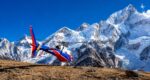
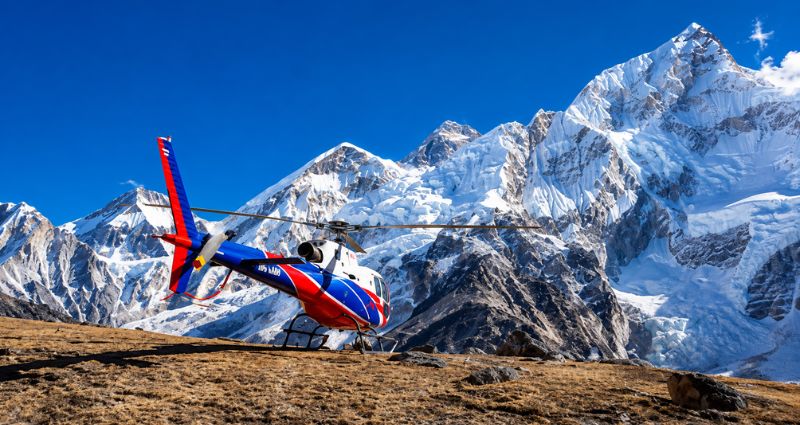
For travelers with limited time, the Everest Helicopter Tour offers a fast and scenic way to experience the Khumbu, while the Everest Base Camp Flyout by Helicopter combines the satisfaction of trekking to Base Camp with a quicker return journey.
A shorter Everest View Trek can be the right choice for travelers with limited vacation time or those who want to test themselves at altitude before committing to a two week itinerary.
These trips still require care. Altitude illness can occur well below Base Camp and short itineraries leave less room for acclimatization or weather delays.
For those seeking a greater challenge beyond trekking Island Peak Climbing and Mera Peak Climbing add technical skills, glacier travel and high-altitude summit objectives to the Everest experience.
Also Read: Challenging Himalayan Treks in Nepal That Test Your Endurance and Strength
Everest Base Camp Trek: The Classic First Choice
The Everest Base Camp Trek usually takes about 12 to 14 days depending on the itinerary and the flight or road access used. Trekkers follow the Khumbu Valley through Namche Bazaar, Tengboche, Dingboche, Lobuche, and Gorak Shep before visiting Base Camp.
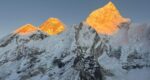
Most itineraries also include Kala Patthar, where the panoramic Everest view is far more dramatic than the view from Base Camp itself.
This is the best choice for fit first-time Himalayan trekkers who want the iconic route and are willing to train beforehand. Expect several consecutive days of uphill and downhill walking, basic mountain lodging, cold mornings, and elevations above 17,000 feet.
The key trade-off is popularity. The route has excellent infrastructure and a social atmosphere, but its main trail can be busy during peak spring and fall trekking seasons.
Do not choose it because it sounds like an easy introduction to high altitude. The path is well established, yet the altitude and cumulative fatigue are real.
Gokyo Lakes: Better Views, More Solitude
The Gokyo Lakes Trek branches away from the main Base Camp trail after Namche Bazaar and climbs the Dudh Koshi valley toward a chain of high alpine lakes.
Its defining viewpoint is Gokyo Ri, which offers a wide panorama of Everest, Lhotse, Makalu, and Cho Oyu.
Gokyo generally suits trekkers who care as much about scenery and a less crowded trail as they do about reaching a famous destination.
The route commonly takes 12 to 14 days and reaches a similar elevation range to Everest Base Camp. It is not necessarily easier than EBC, but many people find the journey often more relaxed.
Choose Gokyo if you can handle a full trek schedule, want a broader Everest panorama, and do not need the specific achievement of standing at Base Camp.
The weather can change the views from Gokyo Ri, so allow extra time in case the first morning is cloudy.
Everest Base Camp via Gokyo: The Balanced Upgrade
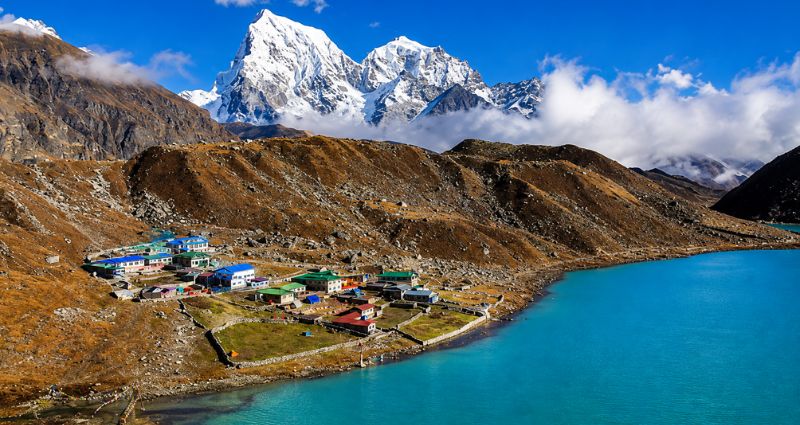
Combining Gokyo with Everest Base Camp via Cho La Pass creates a more varied route without committing to the complete Three Passes circuit.
It adds a major pass crossing, glacier terrain, and more demanding days, usually bringing the trip to roughly 16 to 18 days.
This is a strong option for experienced hikers who have already completed multi-day mountain trips and want more than the standard out-and-back Base Camp itinerary.
Cho La can be icy or snow-covered, particularly at the edges of the trekking season. A guide, flexible schedule, and careful acclimatization plan matter more here than on the standard route.
Three Passes Trek: For Proven High-Altitude Trekkers
The Three Passes Trek crosses Kongma La, Cho La, and Renjo La, each above 17,000 feet. It links Everest Base Camp, Kala Patthar, Gokyo, and remote corners of the Khumbu in a circuit that often takes 18 to 21 days.
This is not simply a longer Everest Base Camp Trek. It requires sustained endurance, comfort on steep rocky trails, the ability to manage long days at altitude, and patience when weather disrupts plans.
Pass conditions can change quickly, and a minor stomach illness or poor acclimatization day can have bigger consequences when the next village is far away.
Pick this route only if you have a solid training base and previous trekking experience. Strong cardiovascular fitness helps, but downhill durability, balance, and the ability to recover day after day matter just as much.
Short Everest Journey: A Practical Alternative
Everest View Trek itineraries, often based around Namche Bazaar and nearby viewpoints, can fit into roughly a week. They provide Sherpa culture, suspension bridges, and views of Everest without taking trekkers to the highest sections of the Khumbu.
These routes work well for travelers with limited time, families with capable hikers, or people unsure how they will respond to altitude. They are still mountain treks, not casual walks. Build in a rest day at Namche if the itinerary allows, and avoid rushing upward just because the total trip is short.
Choose the Trip Wisely
A fast runner can still develop acute mountain sickness. A slower hiker with a slow paced itinerary may acclimatize well. Every Everest journey should include gradual ascent, rest or acclimatization days, hydration, adequate food, and a readiness to descend if anything serious happens.
Before booking, check the highest sleeping elevation, not only the route’s highest point. Also, ask how many contingency days are included for flight delays or illness.
In the Everest region, a realistic itinerary is a safety feature, not wasted vacation time.
Permits, access rules, and flight operations can change, so confirm current requirements before departure. The best Everest trip is the one that gives you enough time to walk steadily, acclimatize properly, and enjoy the mountains without turning every day into a race.