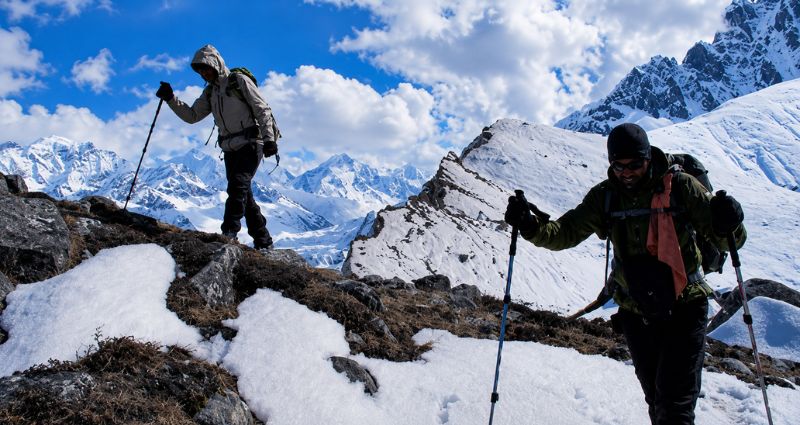
A trek can make you tired, even if it isn’t that difficult. The difference is what happens after several days of climbing, sleeping high, carrying fatigue into the next morning, and making sound decisions when the weather changes. These challenging Himalayan treks in Nepal that test your endurance and strength demand more than strong legs.
They require aerobic capacity, recovery, acclimatization, discipline and realistic planning.
What Makes a Nepal Trek Demanding?
- Distance is only one part of the difficulty. Long ascents and descents often on uneven stone steps, loose trail, snow, or rough moraine are the prime challenges of high altitude trails.
- Altitude is the major multiplier. Even fit hikers slow down as oxygen becomes less available, and poor acclimatization can turn a manageable route into a medical emergency.
- Remote logistics also matter. On a trek with limited road access, reaching the trailhead, arranging supplies, and getting help in an emergency can take more time and planning.
Three Passes Trek: One of challenging Himalayan treks in Nepal
The Everest Three Passes Trek is one of the strongest choices for experienced trekkers who want a demanding, lodge-based Himalayan route.
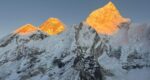
It generally takes 18 to 21 days and crosses Kongma La, Cho La, and Renjo La, each above 17,000 feet. The route also reaches the Everest Base Camp area and Gokyo Lakes, adding distance and altitude to an itinerary.
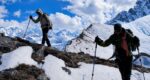
Its challenge is cumulative rather than technical. Expect steep climbs, early starts, cold pass days, and several weeks at elevations where recovery is slower.
Cho La can involve ice and snow, while the descent from high passes may be hard on knees and quads. This is not the right first high-altitude trek for most travelers, even if they have completed shorter hikes before.
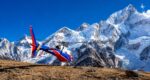
If you do not have the time or desire to complete the Three Passes route, the Everest Base Camp Trek with Helicopter Return offers a shorter alternative.
Most itineraries take around nine days and include the classic Everest Base Camp experience with a helicopter flight back from the Khumbu region, eliminating the return trek on foot.
Also Read: Everest Base Camp Trek, Langtang Valley Trek, or Annapurna Circuit Trek
Manaslu Circuit: High Pass, Long Days, Remote Conditions
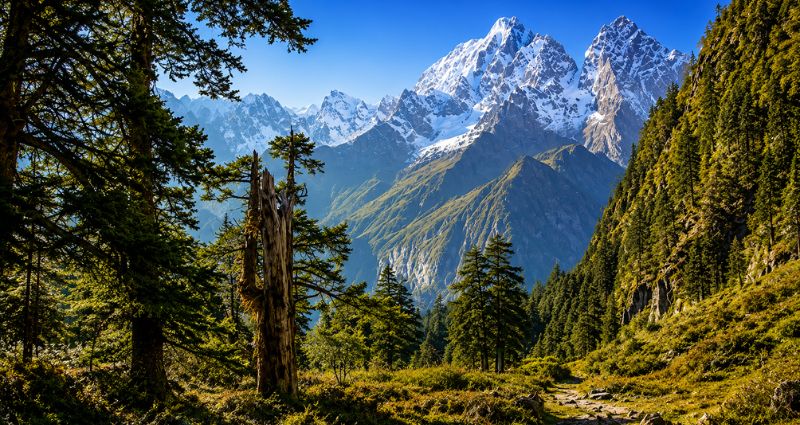
The Manaslu Circuit is a serious alternative to the Everest region, combining cultural villages with a high crossing of Larkya La Pass at roughly 17,100 feet.
Most itineraries take 14 to 18 days. The long approach and the pass day make it a sustained test of endurance.
The crossing of Larkya La often begins before dawn. Trekkers may walk for eight to 10 hours through freezing temperatures before descending to the next overnight stop.
Trail conditions, snowfall, and the pace of acclimatization all affect whether the pass day is manageable or difficult.
Manaslu is best for hikers who can handle consecutive long days and are comfortable with simpler lodging than on the main Everest routes.
It is also a restricted area, so special permits and a licensed guide are required. Those logistics should be arranged before travel rather than treated as a last-minute detail.
Kanchenjunga Circuit: The Test of Patience and Resilience
For trekkers who define challenge by remoteness as much as elevation, the Kanchenjunga Circuit stands apart.
Routes to the north and south base camp areas typically require 20 to 26 days, with long daily walks and fewer comfort options than Nepal’s more developed trekking corridors.
The terrain is varied: forest trails, landslide-prone sections, river crossings, steep climbs, and high alpine valleys. The route reaches elevations above 16,000 feet, but the harder factor for many people is the duration.
You need enough fitness to keep moving well after two weeks on the trail, not just enough power for one difficult pass.
A well-planned and flexible itinerary is essential here. Weather delays and slower walking days are common possibilities, and itinerary pressure can be the reason to skip acclimatization or push through worsening altitude symptoms.
Dhaulagiri Circuit: A More Technical Wilderness Trek
The Dhaulagiri Circuit is among Nepal’s most demanding commercial treks. It crosses French Pass, around 17,700 feet, and Dhampus Pass, and it commonly involves glacier travel, high camps, and sections where camping support is necessary.
Depending on conditions, trekkers may encounter snow, icy trails, or exposed moraine.
This route is not simply a harder version of a teahouse trek. It requires a capable support team, reliable equipment and hikers who understand how to move efficiently in cold, remote environments.
Prior multi-day high-altitude trekking experience is strongly recommended. If you are new to Nepal trekking, build experience on routes such as Langtang or Gokyo before considering Dhaulagiri.
Also Read: Top 5 Trekking Places In Nagaland
How to Be Train for challenging Himalayan treks in Nepal?
The best training is the kind that prepares you for the actual trail. Start at least 12 to 16 weeks before departure if possible.
Build steady aerobic endurance through hiking, uphill walking, stair climbing, running, cycling, or any combination you can do consistently.
Strength work should focus on legs, hips, core and controlled downhill movement. Step-ups, split squats, lunges, calf raises, and loaded carries are more relevant than just gym exercises.
Practice long hikes on back-to-back days, gradually adding elevation gain and a pack similar to what you expect to carry in Nepal.
Fitness does not prevent altitude sickness. A fast, strong hiker can still become ill if they ascend too quickly.
Plan rest or acclimatization days, stay hydrated, avoid alcohol at altitude, and tell your guide promptly about headache, nausea, dizziness, or unusual fatigue.
Choose the Route That Matches Your Experience
The hardest trek is not always the best trek. The Three Passes route suits experienced hikers seeking high altitude with established lodges. Manaslu offers a demanding circuit with a more remote feel.
Kanchenjunga rewards patience and expedition-minded travelers, while Dhaulagiri is better reserved for people with a proven record in high mountain conditions.
Before committing, review the itinerary day by day, not just the maximum elevation. Look for consecutive climbing days, pass crossings, acclimatization stops, contingency time, and the level of guide and porter support.
A demanding Himalayan trek is far more rewarding when its difficulty matches the preparation you bring to the trail.